
Rauceby Church of England Primary School
Forest School


What is our aim for our Forest School learners?
At Rauceby Primary School we have decided to expand and enhance the breadth of our curriculum by incorporating a designated outdoor learning and Forest School curriculum that will become part of our weekly routine. It is our aim that this new LOtC (Learning Outside the Classroom) will uphold the high standards and expectations that our school sets for its pupils and lead to increasing their life skills and experiences throughout their primary school education by
-
building self-esteem and confidence in children.
-
building resilient, determined and independent learners
-
developing children’s personal, social and emotional development.
-
developing children’s and encourage creativity
-
encouraging collaboration.
-
developing and build the ideas of risk management and risk benefit
-
improving children’s life skills and experiences
-
enabling children to gain a respect for the natural environment and wildlife.
How do we teach Forest School at Rauceby?
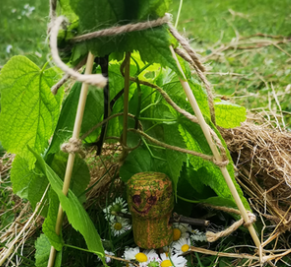
Mrs Singleton is our trained Forest School teacher and she delivers our Forest School sessions in our wonderful woodland area here at Rauceby. We are blessed with extensive grounds that Mrs Singleton uses throughout the year during Forest School, incorporating the flora and fauna in our woodland, pond, garden and grassland areas. We are blessed with many different species of tree including a wide selection of fruit trees for the children to explore.
What is Forest School?
Forest School is a long term holistic learning process that aims to raise self- awareness and self-esteem in children. Regular sessions take place in a woodland environment, where the landscape itself adds to the experience of learning. Our qualified teacher, trained in child development, self-esteem and learning theories facilitates sessions to gain personal outcomes for each group of children. Forest School is applied to all age
groups and abilities.
Oracy within Forest School
Forest School provides rich opportunities for children to develop oracy skills through exploration, discussion, collaboration and shared outdoor experiences. Children are encouraged to communicate confidently, listen carefully and express their ideas, thoughts and feelings in a supportive and natural environment. Through child-led learning and practical activities, pupils develop the ability to explain their thinking, solve problems collaboratively and engage in meaningful conversations with both adults and peers. Forest School supports oracy by encouraging children to:
- use language to explore ideas and experiences;
- ask questions and share opinions confidently;
- listen respectfully and respond thoughtfully to others;
- develop vocabulary linked to nature, tools and outdoor learning;
- work collaboratively during practical tasks and challenges;
- reflect on experiences and articulate their learning;
- build confidence when speaking within groups and independently.
Activities such as shelter building, fire safety discussions, team challenges, storytelling and nature exploration provide purposeful opportunities for communication and collaborative talk.
Skill Development 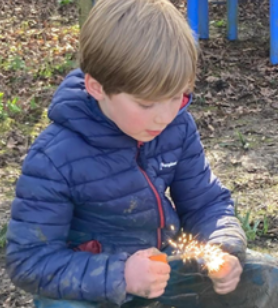
Forest School provides children with opportunities to develop a wide range of practical outdoor skills through hands-on, child-led experiences in a safe and supportive environment.
Children are taught and supported to develop skills such as:
- safe fire lighting and fire safety awareness;
- knot tying and basic rope work;
- shelter building and outdoor construction;
- using simple tools safely and responsibly;
- identifying plants, trees and wildlife;
- nature exploration and environmental awareness;
- problem-solving and risk assessment;
- teamwork, communication and collaboration;
- outdoor cooking and food preparation experiences;
- collecting, transporting and using natural materials;
- developing resilience, independence and perseverance through practical challenges.
These practical experiences help children to build confidence, responsibility and independence while developing a deeper understanding and appreciation of the natural environment.Tools within Forest School pupils will have the opportunity to safely use and explore a range of tools within the Forest School setting.
Tool use is carefully introduced and always supervised by a qualified Forest School practitioner to ensure children learn how to use equipment safely, responsibly and confidently.
Tools may include:
- mallets
- hammers
- bow saws
- axes
- billhooks
- a range of hand drills
- bit and brace drills
- knives
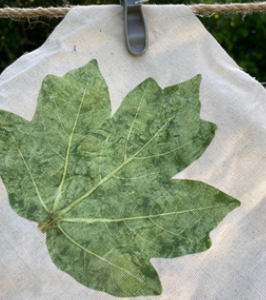 Children are taught how to handle, carry and use tools correctly through clear demonstrations, close supervision and ongoing support. The use of tools helps children to develop practical skills, coordination, concentration, resilience, responsibility and an understanding of risk management.
All activities involving tools are risk assessed and delivered in line with Forest School safety procedures
and national guidance.