
Rauceby Church of England Primary School
Computing
Computing at Rauceby
At Rauceby Church of England Primary School, Computing plays a vital role in preparing pupils for life in an increasingly digital world. Rooted in the school’s vision of “igniting a passion for learning in all” the Computing curriculum is designed to equip children with the knowledge, skills and confidence to thrive both academically and socially. Through a carefully planned and inclusive approach, pupils are empowered to become creative, independent and responsible users of technology, developing a strong foundation for future learning and employment.
What we Aim to Deliver
Our Computing curriculum is driven by the intent to develop confident, capable and responsible digital citizens. We aim to ensure that all pupils acquire a secure understanding of computer science, information technology and digital literacy, enabling them to navigate the digital world safely and effectively. By embedding online safety, critical thinking and ethical awareness throughout the curriculum, pupils are taught to make informed decisions and understand the impact of their digital actions.
A key intention is to foster creativity, resilience and problem-solving through engaging, real-world learning experiences. Pupils are encouraged to design, create and evaluate digital solutions, applying computational thinking to a range of contexts. Through this process, they learn to take risks, debug errors and refine their work, building perseverance and independence.
In addition, the curriculum is designed to be inclusive, ambitious and forward-thinking. It reflects current technological developments, including artificial intelligence, and ensures all learners— regardless of background or ability—have access to high-quality computing education. By doing so, we prepare pupils not only to use technology, but to question, understand and shape the digital world around them.

Oracy in Computing
Voice 21 supports the development of oracy within Computing. Through collaborative tasks, discussions and presentations, pupils are encouraged to articulate their ideas, explain their thinking and engage in meaningful dialogue. This enhances not only their communication skills but also their ability to collaborate effectively, linking closely with the curriculum’s emphasis on the 4 C’s: communication, collaboration, creativity and computational thinking.
How we Teach our Computing Curriculum
Computing is implemented through a carefully sequenced and progressive curriculum, ensuring that knowledge and skills are built systematically over time. Lessons combine both “unpluggedˮ and “pluggedˮ activities, allowing pupils to first understand key concepts without technology before applying them using digital tools. Teaching is adaptive and inclusive, with scaffolding, modelling and guided practice supporting all learners while maintaining high expectations. A balance of practical, investigative and problem-solving activities ensures pupils engage deeply with the subject. Opportunities for reflection, debugging and evaluation are embedded within lessons, promoting independence and critical thinking. The subject leader plays a key role in monitoring and developing provision to ensure high-quality teaching and learning across the school. The Teach Computing platform is a central resource used to support planning and delivery, providing a structured and progressive framework aligned with the National Curriculum. This is further enhanced through the use of Oak National Academy, which supports and supplements Teach Computing units with additional high-quality resources and lesson materials. Together, these platforms enable teachers to deliver engaging, well-sequenced lessons that build on prior knowledge and develop key skills over time. In the Early Years Foundation Stage, pupils follow six units from Barefoot Computing, ensuring an age-appropriate introduction to computational thinking through practical, play-based learning experiences that lay the foundations for future computing knowledge and skills.

Lesson Structure
Lessons typically follow a clear structure to support effective learning. They begin with a retrieval or introduction activity to activate prior knowledge, followed by explicit teaching and modelling of new concepts. Pupils then engage in guided practice before moving on to independent or collaborative tasks where they apply their learning. Opportunities for discussion, reflection and evaluation are built into each lesson, allowing pupils to debug, improve and refine their work. Lessons often include a balance of creativity and problem solving, ensuring engagement while developing key computational skills.
How we Evaluate our Computing Curriculum?
Assessment in Computing is both formative and summative, allowing teachers to track progress and identify next steps. Pupils are assessed through observation, digital outcomes and ongoing feedback, ensuring that learning is responsive and tailored to individual needs. The subject leader monitors impact through lesson observations, work scrutiny and pupil voice.
Computing Beyond the Classroom
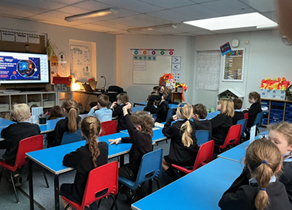
Beyond the classroom, pupils are provided with a range of opportunities to apply their skills in meaningful contexts. These include cross-curricular projects, STEM links, and participation in events such as Safer Internet Day, alongside online workshops with organisations such as Tech She Can and Bupa. These experiences help to raise awareness of technology within future careers and promote gender equality within the sector. Through engagement with external speakers and real-world initiatives, pupils develop a broader understanding of computing and are inspired to explore future pathways in technology-related fields.
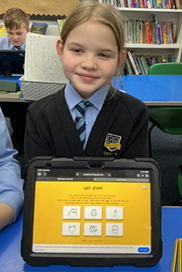
The school has a dedicated team of Digital Leaders who play an active role in supporting and promoting the use of technology across the school. These pupils act as role models, assisting both staff and peers with the effective use of digital tools and encouraging responsible online behaviour. In addition, three pupils are currently completing their Junior Online Safety Officer (JOSO) training in partnership with Lincolnshire County Council (LCC). The Stay Safe Partnership Team also l lead and support the delivery of internet safety workshops for pupils across the school throughout the academic year, helping to raise awareness and promote safe, responsible use of technology.