Rauceby Church of England Primary School
Art and Design
Art and Design at Rauceby Primary School
At Rauceby Primary School, art and design is a vital part of a broad and ambitious curriculum. It provides pupils with opportunities to explore ideas, express themselves creatively and understand the world through visual language. Art is valued as a process as well as a product, where pupils experiment, reflect and communicate their thinking. Children are encouraged to take creative risks, develop resilience and recognise that there are multiple possible outcomes, fostering confidence in their own unique creative voice.
What We Aim to Deliver
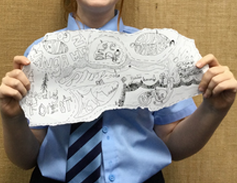
Our curriculum aims to develop creativity alongside strong foundations in skills, knowledge and cultural understanding. Pupils experience a wide range of materials, techniques and artistic disciplines, while learning about diverse artists and how art reflects society and identity.
By the end of primary school, pupils are confident, independent creative thinkers who can generate ideas, use artistic techniques with control, and communicate meaning through their work. They develop resilience, curiosity and an appreciation of art as a meaningful and lifelong pursuit.

Oracy in Art and Design
Oracy is embedded throughout the art curriculum, enabling pupils to articulate ideas, describe processes and reflect on their work. Pupils are encouraged to use appropriate artistic vocabulary to discuss their own creations and respond to the work of others.
Through discussion, questioning and reflection, children develop confidence in expressing opinions, explaining creative choices and engaging in constructive peer feedback, strengthening both communication skills and critical thinking.
How We Teach the Art and Design Curriculum
Art and design is taught through a skills-rich, exploratory approach rooted in AccessArt principles. Learning is structured through carefully selected pathways that ensure progression in skills, knowledge and creative confidence across the school.
Pupils explore a broad range of media and techniques, revisiting key concepts over time to deepen understanding. Teaching prioritises creativity, independence and inclusivity, with teachers modelling techniques while encouraging pupils to make their own choices and develop personal responses.
Lesson Structure
Lessons typically follow an explore–experiment–create–reflect model. Pupils begin by exploring materials and ideas, before experimenting with techniques and developing their own creative outcomes.
Reflection is built into each lesson, allowing pupils to evaluate their work, discuss their thinking and consider next steps. Sketchbooks are used as working tools to support experimentation and idea development, rather than as polished final pieces.
How We Evaluate the Art and Design Curriculum
Assessment focuses on creativity, skill development and individual progress rather than finished outcomes. Teachers use observation, discussion and verbal feedback to assess pupils’ understanding and engagement.
The curriculum is regularly monitored and reviewed by the subject leader through planning scrutiny, lesson observations and pupil voice. This ensures continuous improvement and that the curriculum remains inclusive, progressive and aligned with school priorities.
Art and Design Beyond the Curriculum
Pupils are given opportunities to engage with art beyond the classroom through visits, workshops and links with local organisations such as The Hub. These experiences broaden cultural awareness and provide insight into artistic practice in the wider world.
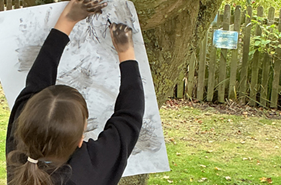
Cross-curricular links enrich learning by connecting art to subjects such as English, history, science and computing, while maintaining art as the primary focus. Outdoor learning and real-world contexts further support creativity, observation and inspiration.