
Rauceby Church of England Primary School
Design and Technology
Design Technology at Rauceby
At the heart of our Design & Technology (DT) curriculum is the belief that learning should be hands-on, purposeful, and directly connected to the world around us. Our programme of study aims to equip children with the knowledge, skills, and creativity to design, make, and evaluate products that solve real-world problems. We ensure that learning is hands-on, relevant, and inspiring, giving children the confidence to apply DT skills in everyday life, preparing them for secondary education and a wide range of after-school opportunities, from STEM clubs to creative competitions and jobs. Our vision is to equip children with the skills, knowledge, and confidence to become creative problem-solvers, innovators, and independent thinkers, preparing them not only for secondary education but also for a wide range of after-school opportunities, including clubs, competitions, and community projects. Through meaningful projects, students learn to think critically, experiment, and innovate, developing practical skills that are transferable across contexts. We link DT to our Forest School curriculum, enabling children to work with natural materials, explore sustainable design, and experience problem-solving in outdoor environments. This promotes resilience, collaboration, and an understanding of the environmental impact of their creations. Our approach ensures a broad and balanced curriculum, covering textiles, structures, mechanisms, food technology, and digital design. By integrating the National Curriculum’s aims with real-life applications, children not only build technical competence but also develop curiosity, creativity, and confidence, laying a strong foundation for lifelong learning. In DT, we inspire learners to imagine, design, and create with purpose, understanding how their ideas can make a tangible difference in the world today and in the future.
What we aim to deliver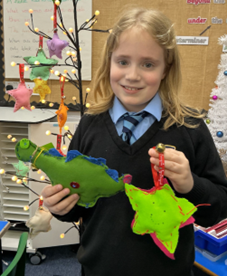
Design Technology at Rauceby is not just about making things – it is about taking risks, thinking creatively and becoming resourceful, innovative and enterprising learners equipped for the future.
Our cooking curriculum aims to equip pupils with essential life skills by teaching them how to prepare affordable, nutritious meals while fostering a love of cooking and independence. We place strong value on the importance of nutrition for overall wellbeing, helping pupils understand and apply the principles of a healthy, balanced diet. Throughout their learning, pupils are taught to prepare and cook a range of healthy meals, developing practical skills such as chopping, mixing, measuring and following recipes, while also learning about food provenance and sustainability. As they progress, pupils explore food groups and healthy choices, and by Year 6, think more critically about dietary requirements, planning meals for different needs, preferences and cultural contexts. This progressive approach ensures all pupils leave primary school as confident, capable cooks with a strong understanding of nutrition and the ability to make informed choices about food. Textiles education is a vital and evolving part of the Design and Technology curriculum, equipping students with practical, creative, and technical skills through the design and making of textile products. In a world increasingly shaped by sustainability, it plays a key role in developing understanding of responsible design, including material reuse, ethical production, and the environmental impact of textiles and dyes. Through practical, hands-on learning, students gain experience in sewing, pattern construction, fabric manipulation, and finishing techniques, while developing precision, dexterity, and confidence with tools and equipment. This is supported by opportunities to experiment, solve problems, and develop original design ideas. Modern textiles education also incorporates digital technologies such as CAD, programming, and electronic textiles, enabling students to design innovative and functional products that reflect current industry practice. Alongside this, learners build a strong awareness of sustainability, the circular economy, and the importance of repairing, reusing, and recycling materials to reduce waste and environmental impact. We feel it is vital to nurture creativity and innovation through design, and by exploring the designed and made world in which we all live and work. In the Construction section of the Design and Technology curriculum, we aim to develop our understanding of how structures and products are designed and built to be strong, stable, and fit for purpose. This area links closely to our Science and Computing curriculums, helping us apply knowledge of forces, materials, systems, and digital processes in meaningful ways. We use CAD and programming to enhance and refine our designs, and we work with electronics to create functional and interactive outcomes. Alongside this, we develop practical skills by safely using a range of tools and equipment, enabling us to bring our ideas to life through hands-on construction and problem-solving
Oracy in Design and Technology 
Oracy is central to the Design and Technology curriculum as it enables students to think more critically and communicate their ideas with precision and confidence. By defending conclusions using sentence stems, pupils are encouraged to evaluate designs and crafts more deeply, considering how they reflect and shape history, culture, creativity and national wealth. Through structured group discussions, students develop curiosity about human creativity and are equipped to experiment, invent and create their own designs. Oracy also supports self-reflection, allowing pupils to adapt their thinking in response to others, strengthening their analytical and evaluative skills using specialist design and craft vocabulary. In addition, it acts as a stimulus for creative expression and narrative across the curriculum, ensuring students can clearly describe and discuss the work of designers, their own creations, and the work of their peers during exhibitions and beyond.
How we teach our curriculum 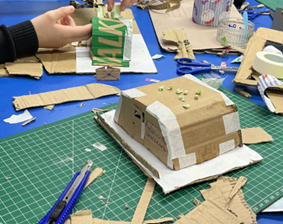
Teaching and learning in Design & Technology is designed to ensure that all pupils develop the knowledge, skills, and understanding to be confident, creative, and resilient designers. Lessons are carefully planned with clear progression, building on prior learning and providing opportunities for pupils to design, make, evaluate, and improve products in meaningful contexts. Practical, investigative, and problem-solving activities are central, allowing pupils to apply technical knowledge and creative thinking while developing independence and collaboration skills.
Teachers use guidance from the Design & Technology Association (DATA) to enhance and inform planning, ensuring projects are ambitious, relevant, and aligned with the National Curriculum. Resources, project frameworks, and exemplar materials from DATA support the design of engaging lessons, help sequence skill development, and ensure coverage of core technical, practical, and evaluative knowledge. Practical work is supported by high quality tools, materials, and digital technologies, including CAD software and online design resources, to ensure pupils experience a range of approaches and applications.
Unit Structure
We place significant emphasis on a clear, progressive and well-sequenced Design and Technology curriculum, structured around the National Curriculum and the six essentials of good practice in D&T. Learning is carefully planned to ensure children build securely on prior knowledge and develop both designing and making skills, alongside cooking and nutrition, through meaningful, real-life contexts. Projects are enriched through cross-curricular links, particularly with English and mathematics, and are further strengthened by purposeful connections to our Forest School provision, where children apply practical skills, creativity, and problem-solving in an outdoor, hands-on environment. This integrated approach contributes to a broad, balanced and well-managed curriculum that raises standards and deepens engagement. Each unit is structured through a combination of Investigative and Evaluative Activities (IEAs), Focused Tasks (FTs), and Design, Make and Evaluate Assignments (DMEAs). This ensures children first explore existing products and the wider world of design, then develop specific technical knowledge and practical skills, before applying this understanding independently to create purposeful, functional products with a clear user and purpose in mind. IEAs and FTs are used flexibly and revisited as needed to meet pupil needs and deepen understanding. Lessons are also underpinned by high expectations for safe practice, where children are taught to use tools, equipment, materials and components appropriately and responsibly. Through this structured yet creative approach, pupils are supported to think critically, solve problems, and communicate ideas effectively, ensuring they experience a high-quality, engaging and motivating D&T curriculum.
Beyond the Classroom
Design and Technology extends beyond the classroom through a range of real-world, practical experiences that help pupils understand the purpose and impact of their learning. Forest School provides opportunities for children to apply design and making skills in an outdoor environment, using natural materials and solving practical problems creatively. Enterprise projects further develop this by allowing pupils to design, make and market products, giving them insight into how DT operates within real economic contexts. Across all areas, we emphasise that Design and Technology is rooted in the real world, where sustainability is a key consideration. Pupils are encouraged to make informed, responsible choices about materials and processes, understanding the importance of designing with environmental impact in mind.