
Rauceby Church of England Primary School
Science
Science at Rauceby Primary School
At Rauceby Primary School, science is a key part of the curriculum, helping pupils to understand the world around them and develop as curious, questioning learners. We aim to foster a sense of wonder by encouraging pupils to ask questions, observe closely and explore scientific ideas. Science is taught as both knowledge and enquiry, enabling pupils to investigate, predict and explain natural phenomena. This supports children in seeing science as relevant, engaging and important in everyday life.
What We Aim to Deliver
Our curriculum develops secure scientific knowledge across biology, chemistry and physics, alongside strong working scientifically skills. Pupils learn to ask questions, make predictions, carry out investigations and use evidence to explain their ideas. They also develop confidence in using scientific vocabulary and understanding the role of science in the wider world. By the end of primary school, pupils are equipped with the knowledge, skills and curiosity to think critically and engage with science in the future.
Oracy in Science
Oracy is central to science learning, supporting pupils to explain their thinking and communicate ideas clearly. Pupils are encouraged to use scientific vocabulary to describe observations, discuss results and justify conclusions. Through questioning, discussion and collaborative work, they develop confidence in sharing and refining their ideas. This strengthens understanding and supports deeper scientific thinking.
How We Teach the Science Curriculum
Science is taught through a combination of direct teaching and practical, enquiry-based learning. Lessons are carefully sequenced to build knowledge and skills progressively, with a strong emphasis on working scientifically. Pupils engage in a range of activities including investigations, observations and real-life problem solving. Teaching makes use of outdoor learning and meaningful contexts to ensure science is relevant and engaging.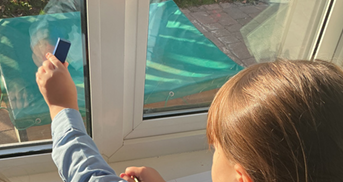
Lesson Structure
Lessons typically include opportunities to question, explore, investigate and reflect. Pupils may begin by discussing ideas or observing phenomena before carrying out practical investigations. They then record, analyse and explain their findings using appropriate scientific language. Reflection allows pupils to draw conclusions and consider how their learning links to wider scientific understanding.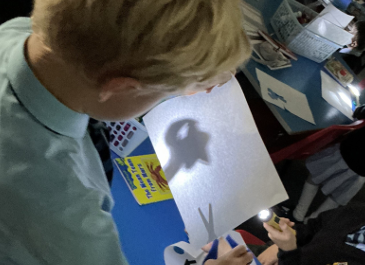
How We Evaluate the Science Curriculum
Assessment in science focuses on both knowledge and working scientifically skills. Teachers use questioning, observation and discussion to assess understanding and address misconceptions during lessons. Summative assessments are used at the end of units and terms to track progress. The subject leader monitors teaching, learning and outcomes through reviews, observations and pupil voice to ensure ongoing improvement.
Science Beyond the Curriculum
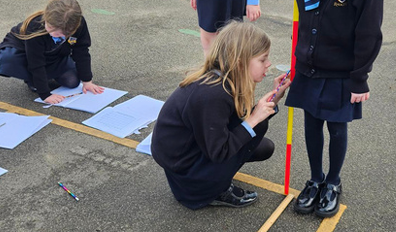 Science is enriched through outdoor learning, use of the school environment and links to real-life contexts. Pupils take part in experiences such as Science Week, trips and visits that deepen their understanding of science in the wider world. Opportunities to engage with visitors and workshops help raise aspirations and show how science is applied in different careers. Cross-curricular links further support learning, particularly in English, maths and geography.